
GPS as the Backbone of Connected Technology
GPS tracking plays a much larger role in modern technology than simply helping drivers find the fastest route home. Today, location data sits at the center of how connected systems function, quietly supporting smart vehicles, safety tools, and real-time digital experiences people rely on every day.
From adaptive automotive dashboards to intelligent mobility platforms, GPS has become part of the infrastructure that allows devices to communicate, respond, and adjust based on where they are. This shift matters because connected technology depends on context, and location provides that context instantly.
Rather than acting as a standalone feature, GPS now works alongside cloud platforms, mobile apps, and sensors to create systems that feel responsive and aware. Understanding how GPS fits into this ecosystem helps explain why it remains a core component of smarter cars and connected tech moving forward.
What GPS Tracking Really Is Today (Beyond Navigation)
Modern GPS tracking goes far beyond simple point-to-point navigation. At its core, GPS uses satellite signals to determine location, but today’s tracking systems combine that data with cellular networks, cloud processing, and software platforms to deliver ongoing visibility.
Basic location services typically provide occasional updates and rely heavily on smartphone hardware. Dedicated GPS tracking systems, on the other hand, are designed to collect consistent location data, refresh it frequently, and transmit it securely to connected platforms.
This evolution matters because connected technology depends on reliability. Real-time updates, higher accuracy, and persistent connectivity allow GPS data to support automation, safety alerts, and intelligent decision-making across vehicles and devices. GPS has shifted from a convenience tool into a functional layer of modern tech ecosystems.
How GPS Tracking Enables Smarter Cars?
Real-Time Vehicle Awareness
Smarter cars rely on live data to operate efficiently, and GPS tracking provides constant visibility into where a vehicle is and how it’s being used. Real-time location data supports route optimization, trip history analysis, and usage insights that help drivers and owners make informed decisions.
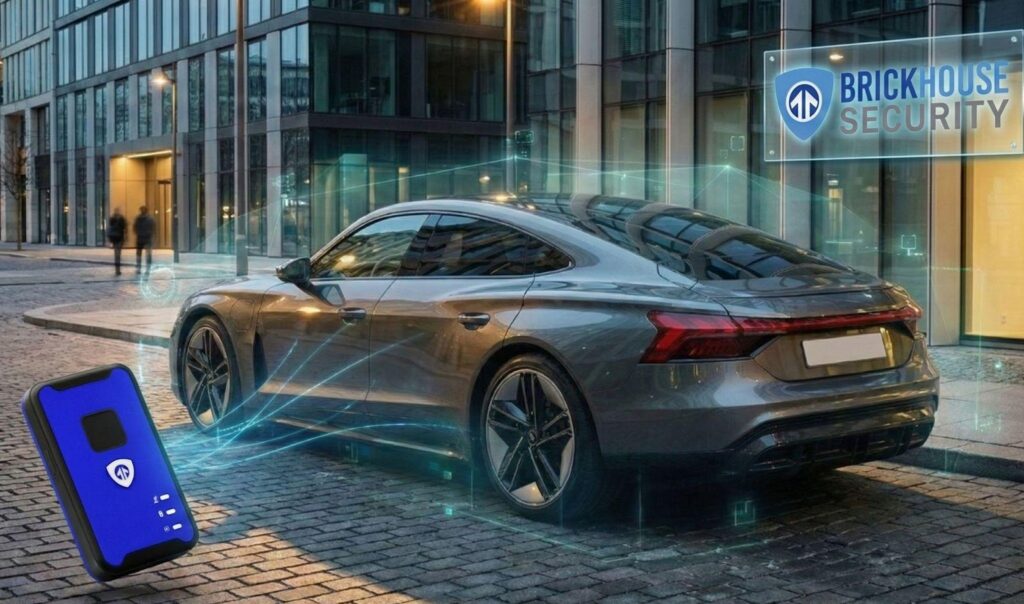
For families, shared vehicles, or small fleets, this awareness removes guesswork. Owners can confirm when a car leaves, arrives, or takes an unexpected route without relying on assumptions or delayed updates. Dedicated vehicle tracking solutions, such as OBD-based systems offered by BrickHouse GPS tracker, integrate directly with vehicles to provide consistent location reporting without relying on driver interaction.
Vehicle Security and Theft Recovery
Vehicle security has expanded beyond alarms and immobilizers. GPS tracking adds a passive layer that continues working even when a car is parked or unattended. If a vehicle moves unexpectedly or enters an unfamiliar area, location data helps owners act quickly.
Unlike factory systems that focus on deterrence, GPS tracking supports recovery by showing where a vehicle goes after it’s moved. This complements existing security features rather than replacing them, adding another data source for faster response and coordination.
Driver Behavior and Safety Insights
GPS tracking also supports safer driving by identifying patterns over time. Speed trends, frequent hard stops, or irregular routes provide insight into how a vehicle is being used. For households with teen drivers or shared cars, this information supports constructive conversations about safety rather than constant monitoring.
Used responsibly, GPS data becomes a decision-making tool. It helps owners understand habits, spot risks early, and encourage better driving without turning technology into surveillance.
GPS Tracking and Safer Mobility Systems
As mobility becomes more connected, GPS tracking plays a growing role in safety across different age groups and use cases. Teen drivers, seniors, and independent travelers all benefit from systems that provide location awareness when needed.
Features like geofencing allow users to set virtual boundaries around familiar places such as home, school, or work. When someone enters or leaves these areas, alerts provide timely updates without requiring manual check-ins.
Personal GPS tracking tools are often used as a backup rather than a primary safety measure. Solutions like personal GPS trackers from BrickHouse Security fit into this approach by offering discreet location access when routines change or help is needed. As mobility tools evolve, GPS continues to act as a quiet safety layer supporting independence.
Connected Tech Relies on Location Intelligence
Connected platforms depend on more than raw data, they rely on context. GPS provides that context by allowing systems to respond based on location in real time. Smart apps use location intelligence to trigger notifications, adjust interfaces, or deliver relevant information at the right moment.
In automotive systems, GPS data feeds dashboards that adapt to traffic conditions, driving environments, and trip patterns. Across IoT platforms, location enables automation, from tracking device movement to activating location-based rules.
This intelligence allows technology to feel responsive instead of reactive. GPS acts as a signal that helps connected systems understand when and how to respond, supporting smoother user experiences across devices and platforms.
Where GPS Tracking Fits Into Portable and Asset-Based Technology

Beyond vehicles, GPS tracking plays an important role in portable and asset-based technology. Compact tracking devices are used for equipment, travel gear, and mobile assets that move frequently or change hands.
Portability matters in modern tech ecosystems because flexibility allows systems to adapt to different use cases without complex installation. Advances in battery efficiency and device size have made it possible to track assets discreetly while maintaining reliable performance.
These tools support industries and individuals who need visibility without permanent infrastructure, reinforcing GPS as a versatile component of connected technology rather than a single-purpose solution.
Key Features That Make GPS Tech Effective in Connected Systems
Several core features determine whether GPS tracking works well within connected platforms:
- Accurate real-time data that reflects movement quickly
- Reliable connectivity across locations and environments
- Efficient power management for long-term use
- Secure data handling to protect location information
- Scalability across regions, devices, and platforms
Together, these features allow GPS technology to integrate smoothly into larger systems without becoming a weak link.
Future of GPS in Smarter, More Connected Technology
GPS tracking continues to evolve as a foundational technology rather than a passing trend. Its role in automotive innovation, safety-first mobility, and connected infrastructure is expanding as systems demand better awareness and faster responses.
As smart cities, autonomous features, and adaptive platforms develop, GPS remains one of the core building blocks that enables location-driven intelligence. Smarter cars and connected tech rely on knowing where things are, and GPS remains central to making that possible.


